
VIN check vs. VIN decoder
Search online for "free VIN check" or "free vehicle history report" and you'll find hundreds of results. Most are just a VIN decoder: they turn the 17 characters into basic facts like where the car was built, its make and its model. That's useful, but it isn't history. What you really want is the full vehicle history report — accidents, owners, title brands, salvage and theft records.
VIN locator
Where to find your VIN
Tap a number to see the spot. A VIN is always 17 letters and numbers.

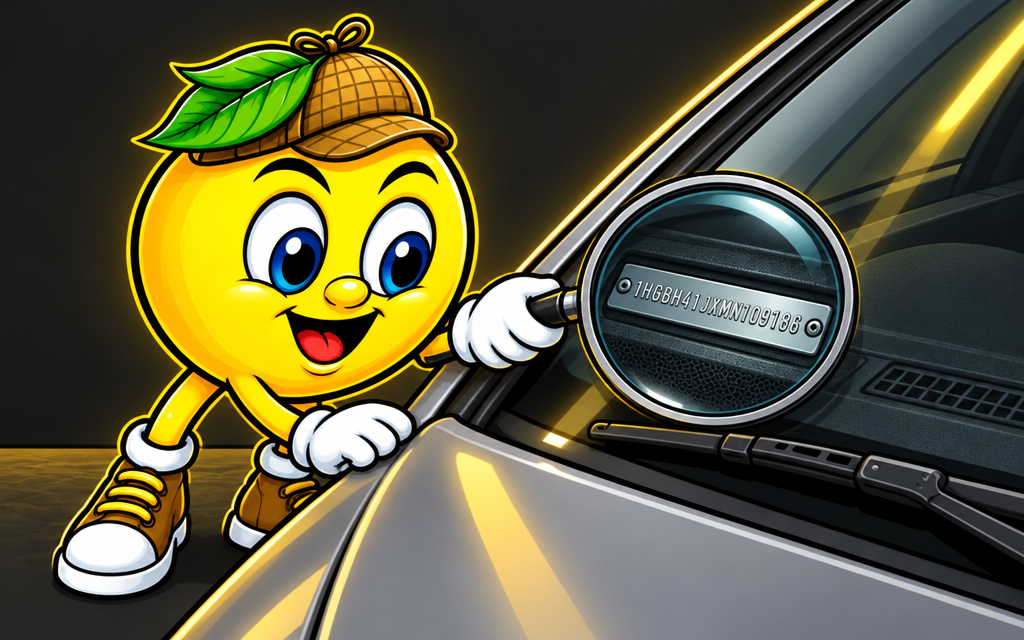
Dashboard: Driver-side corner of the dashboard, where it meets the windshield.
Look through the windshield from outside.
All VINs should match. If one differs or is scratched off, walk away.
Where history data comes from
Every vehicle history company draws on the same source: the government's NMVTIS database, which used-car dealers, repair shops, insurers and salvage yards report to. For a quick first step, the National Insurance Crime Bureau (NICB) runs a completely free theft and salvage check.
What a VIN check can reveal
- Previous owners
- Liens on the vehicle
- Maintenance records
- Title history problems
- Odometer fraud or rollback
- Flood damage
- Accident history
- Title brands
Ready for more? Get a free vehicle history report, compare free Carfax report alternatives, or work through our used car inspection checklist.